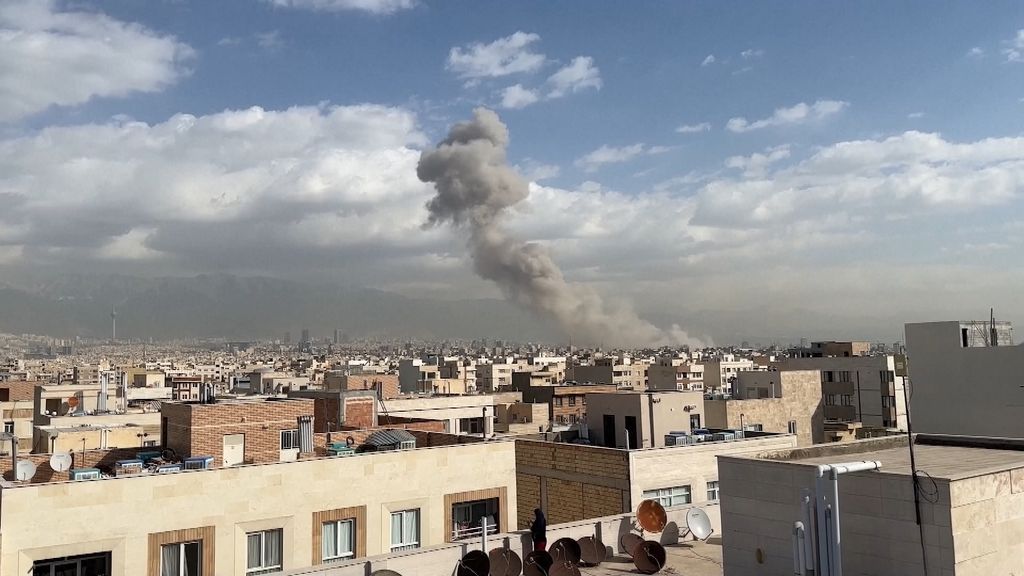
Tel Aviv Under Fire: Iran's Retaliation Escalates, Cities Face Deadly Rocket Barrage
The Middle East finds itself teetering on a precipice of unprecedented escalation following a direct and devastating wave of Iranian rocket attacks on Israel. In a stark and dangerous turn, the retaliatory strikes, which Tehran stated were in response to earlier large-scale Israeli assaults on Iranian territory, have left a trail of destruction and heartbreak. Israeli emergency services report at least three people dead and over seventy injured, marking a critical moment in the long-simmering tensions between the two regional adversaries. These deadly Iranian rocket attacks signify a concerning shift from proxy warfare to direct confrontation, with civilian populations now bearing the immediate brunt of the escalating conflict.
The nocturnal barrage, which commenced late Friday night and continued into Saturday morning, saw key Israeli urban centers come under direct fire. The intensity and scale of these strikes underscore a volatile new chapter, raising urgent questions about regional stability and the potential for a broader conflict. As both sides trade blows, the international community watches with bated breath, urging de-escalation before the situation spirals further out of control.
The Unfolding Crisis: Cities Targeted, Lives Lost
The immediate impact of the Iranian aggression was felt most acutely in Israel's densely populated central region. Reports from Israeli media, corroborated by emergency responders, detailed the tragic loss of life and widespread damage. The city of Rishon LeZion, situated approximately 20 kilometers southeast of Tel Aviv, became a focal point of the devastation. Here, a residential building suffered a direct hit, claiming the lives of a man in his forties and a woman in her sixties. The incident shattered the peace of a quiet neighborhood, leaving multiple structures in ruins and residents grappling with profound shock and grief.
But Rishon LeZion was not an isolated target. The metropolitan heart of Tel Aviv itself was also struck, with one rocket reportedly impacting a 32-story flat building – a terrifying reminder of the indiscriminate nature of such attacks. Nearby Ramat Gan, located just east of Tel Aviv, also witnessed significant destruction, with multiple buildings damaged. The sheer volume of projectiles fired by Iran is staggering; the Israeli newspaper Haaretz reported that approximately 150 rockets were launched against Israel during the night. The attacks were not limited to rockets; the Israeli military also confirmed that it was actively engaged in intercepting drones over various locations on Saturday morning, indicating a multi-pronged assault aimed at overwhelming Israeli defenses. The continuing threat from these **Iranian rocket attacks causing fatalities** has forced countless Israelis into shelters and a state of high alert.
The Human Cost: Beyond the Headlines
While the statistics of three fatalities and seventy injured are grim, they represent far more than mere numbers. Each casualty is a life cut short, a family devastated, and a community traumatized. The injured face a long road to recovery, both physically and psychologically. Many residents in the affected areas have had their homes damaged or destroyed, their sense of security shattered. The psychological toll of living under constant threat of rocket fire, especially indiscriminate attacks on civilian infrastructure, cannot be overstated. Children and adults alike will carry the scars of these harrowing nights for years to come.
First responders, medical personnel, and volunteers have worked tirelessly under immense pressure, rushing to aid the wounded and sift through the rubble. Their bravery and dedication highlight the resilience of a society forced to confront such brutal realities. For more detailed accounts of the immediate aftermath and casualty reports, we encourage you to read our comprehensive article: Iranian Rocket Attacks Kill 3 in Israel, Injure Dozens.
A Dangerous Cycle of Retaliation: The Broader Context
These **fatalities from Iranian rocket attacks** did not occur in a vacuum. Tehran has explicitly stated that its strikes were a direct retaliation for large-scale Israeli rocket attacks on Iran. The cycle of violence has thus entered a more perilous phase, moving beyond the traditional shadow war and proxy conflicts that have long characterized the rivalry between the two nations.
According to Iran's UN ambassador, the Israeli attacks on Iranian territory had already resulted in a significant human toll, claiming at least 78 lives and injuring 320 people. These figures underscore the symmetrical nature of the suffering and the profound danger of tit-for-tat escalation. The direct exchange of blows between two sovereign states with significant military capabilities, rather than through proxies, marks a critical inflection point. This shift significantly heightens the risk of miscalculation and uncontrolled escalation, potentially drawing other regional and international actors into a wider conflict.
Navigating Uncertainty: Tips for Civilian Safety
In times of heightened conflict, civilian safety becomes paramount. For residents in affected areas, staying informed and prepared is crucial:
- Stay Alert and Follow Official Instructions: Always adhere to directives from local authorities, emergency services, and the military. They provide the most accurate and up-to-date information on threats and safety procedures.
- Know Your Shelter: Identify the safest place in your home (an internal room with no external walls, a designated bomb shelter, or a stairwell in a multi-story building) or the nearest public shelter. Practice getting there quickly.
- Prepare an Emergency Kit: Keep a kit ready with essentials like water, non-perishable food, a first-aid kit, medications, a flashlight, batteries, a radio, and important documents.
- Stay Calm and Reassure Others: While challenging, maintaining composure can help you make better decisions and reduce panic among family members, especially children.
- Limit Outdoor Exposure: During active attacks or periods of high alert, minimize time spent outdoors.
- Seek Support: The psychological impact of conflict is significant. Do not hesitate to seek support from mental health professionals or community services if you feel overwhelmed.
The sheer volume of projectiles fired is a testament to the scale of this new phase of conflict. To understand the full extent of this unprecedented barrage, including the number of rockets and the areas struck, delve into our related article: Residential Areas Struck: 150 Iranian Rockets Hit Israeli Cities.
Conclusion: An Urgent Call for De-escalation
The latest wave of **Iranian rocket attacks killing** civilians in Israel represents a perilous and tragic escalation in the enduring conflict between Iran and Israel. The direct engagement, with missiles and drones striking deep into urban centers, has claimed innocent lives, wounded dozens, and inflicted widespread damage, bringing the region to the brink of an even larger confrontation. The cycle of retaliation threatens to unravel any semblance of stability, pushing the Middle East into uncharted and dangerous territory. It is imperative that international diplomatic efforts are intensified to de-escalate the situation immediately, prevent further loss of life, and chart a path towards a more peaceful resolution before the current crisis spirals into a full-blown regional catastrophe.