Iranian Rocket Attacks Kill 3 in Israel, Injure Dozens: A Deep Dive into Escalating Tensions
The Middle East has once again been plunged into a harrowing period of escalated conflict, following a night of intense rocket barrages from Iran directed at various locations across Israel. These devastating iraanse raketaanvallen doden at least three civilians and left dozens more injured, marking a dangerous new chapter in the long-standing regional hostilities. The attacks, which saw an estimated 150 rockets launched, targeted densely populated areas, reducing residential buildings to rubble and sending shockwaves through communities already accustomed to the shadow of conflict. This tragic development comes as a direct response to earlier Israeli strikes on Iranian soil, perpetuating a perilous cycle of retaliation that threatens to destabilize the entire region.
A Night of Terror: The Immediate Aftermath and Human Cost
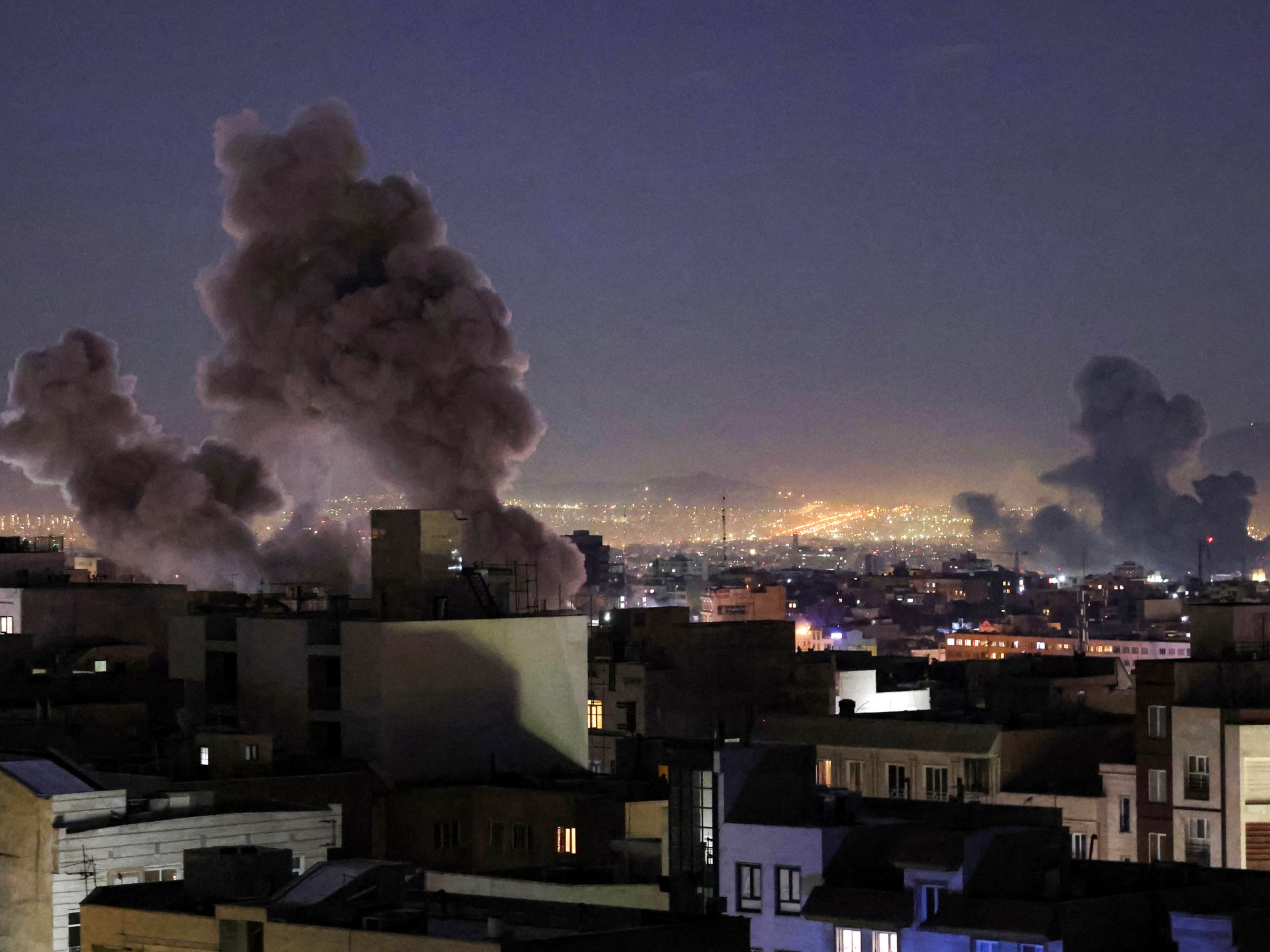
The night of Friday into Saturday brought widespread alarm and destruction across Israel. Israeli media, citing emergency services, confirmed the fatalities and reported that at least seventy people sustained injuries, ranging from moderate to severe, while many more suffered from shock and trauma. The brunt of the initial human cost was felt most acutely in Rishon LeZion, a city southeast of Tel Aviv, where a direct rocket impact on a residential building claimed the lives of a man in his forties and a woman in her sixties. Eyewitness accounts speak of sudden explosions, the screech of sirens, and the terrifying reality of rockets hitting homes, transforming everyday life into a desperate scramble for safety. The devastation in Rishon LeZion extended beyond the immediate impact zone, with multiple buildings in the same neighborhood sustaining significant damage, highlighting the indiscriminate nature of such attacks.
The scale of the assault was immense. Reports from *Haaretz* indicate that Iran unleashed approximately 150 rockets across Israeli territory. Beyond Rishon LeZion, the urban landscape of Tel Aviv also bore the scars of the bombardment, with one rocket striking a 32-story apartment building, miraculously without immediate fatalities but causing significant structural damage and widespread panic. In Ramat Gan, an urban area just east of Tel Aviv, further destruction was reported as several buildings were ravaged by the incoming projectiles. As dawn broke, the Israeli army remained on high alert, actively engaged in efforts to intercept drones that continued to penetrate Israeli airspace, underscoring the ongoing threat and the relentless nature of the assault. The immediate aftermath saw emergency responders working tirelessly through the night, sifting through debris, providing medical aid, and offering comfort to those who had lost loved ones or their homes. The scenes of devastation served as a stark reminder of the fragile peace and the constant threat under which communities in the region often live.
Understanding the Retaliatory Cycle: A Dangerous Precedent
These recent Iranian missile attacks are not isolated incidents but rather a stark manifestation of a deepening and increasingly direct conflict between Iran and Israel. Iran's actions were unequivocally stated as a retaliation for prior Israeli military operations on Iranian territory. According to Iran's UN ambassador, those earlier Israeli attacks had resulted in a significant human toll within Iran, claiming the lives of at least 78 individuals and injuring 320. This tit-for-tat escalation marks a critical shift from proxy warfare, which has long characterized their animosity, to direct military engagement, raising alarms across the globe about the potential for broader regional destabilization.
The cycle of violence, where each side responds to perceived aggressions with increasingly forceful measures, creates a dangerous precedent. It not only risks drawing in other regional actors but also has profound implications for international peace and security. The international community watches with bated breath, concerned that this direct exchange could spiral into a wider, uncontrollable conflict. Diplomacy, de-escalation, and an unwavering commitment to protecting civilian lives become paramount in such volatile circumstances, yet often prove elusive amidst deeply entrenched hostilities.
The Human Cost Beyond the Headlines
While headlines often focus on casualty counts and geopolitical analyses, the true tragedy of such conflicts lies in the individual stories of suffering and loss. Beyond the three confirmed fatalities, dozens wounded, and hundreds traumatized, there is a profound human cost that extends far beyond immediate physical injuries. Families are shattered, homes — lifelong investments and sanctuaries — are reduced to rubble, and communities are left to grapple with the emotional and psychological scars that linger long after the smoke clears. Children, in particular, bear an immense burden, exposed to the horrors of war and the constant threat of violence, which can have lifelong impacts on their mental health and development. The challenges for aid workers, emergency responders, and medical professionals are immense, as they tirelessly work to mend bodies and spirits in the face of overwhelming adversity. This is why understanding the nuanced impact on residential areas is crucial, as elaborated in Residential Areas Struck: 150 Iranian Rockets Hit Israeli Cities, which highlights the indiscriminate nature of these attacks.
Protecting Civilians: Emergency Protocols and Safety Measures
In regions frequently exposed to rocket fire and aerial assaults, robust civil defense mechanisms and public awareness are crucial for minimizing casualties. Israel, having faced such threats for decades, has developed sophisticated emergency protocols and infrastructure designed to protect its citizens. Key measures include:
- Early Warning Systems: A sophisticated network of sirens and mobile alerts provides residents with precious minutes to seek cover upon detecting incoming projectiles.
- Fortified Shelters: Many residential buildings and public spaces are equipped with bomb shelters or reinforced rooms, offering protection against direct hits and shrapnel.
- The Iron Dome: This advanced missile defense system is designed to intercept and destroy short-range rockets and artillery shells, significantly reducing the number of projectiles that reach populated areas. While highly effective, as demonstrated by its numerous interceptions during these attacks, no defense system is foolproof, and some rockets inevitably breach its coverage.
- Public Education: Continuous campaigns educate citizens on immediate actions to take during an alarm, such as lying on the ground, seeking interior rooms, or entering designated shelters.
- Emergency Services Readiness: Paramedics, firefighters, and search-and-rescue teams are highly trained and equipped to respond rapidly to attack sites, providing immediate medical care and rescuing trapped individuals.
For individuals living in such volatile environments, understanding and adhering to these guidelines can be the difference between life and death. Preparing an emergency kit with essential supplies, knowing the location of the nearest shelter, and having a family communication plan are practical steps that empower civilians to navigate these harrowing situations with a greater sense of preparedness.
International Reactions and Future Outlook
The recent Tel Aviv Hit: Iran's Retaliation Escalates, Cities Under Fire and other widespread attacks have drawn swift condemnation and urgent calls for de-escalation from the international community. The United Nations Secretary-General, along with leaders from various world powers, expressed deep concern over the escalating violence, emphasizing the imperative to prevent a broader regional conflagration. There is a palpable fear that the direct nature of these exchanges could ignite a wider conflict, drawing in other nations and militant groups, thereby destabilizing an already volatile Middle East.
The path forward is fraught with challenges. Diplomacy, which often seems a distant hope amidst active hostilities, remains the only viable long-term solution. However, achieving a lasting peace will require significant concessions, sustained dialogue, and a genuine commitment from all parties to prioritize civilian lives and regional stability over geopolitical rivalries. The immediate future will likely see heightened security measures, continued vigilance, and a precarious balancing act as both sides weigh their next moves. The international community's role in exerting pressure for restraint, facilitating dialogue, and providing humanitarian aid will be critical in navigating this dangerous period.
The night of Iranian rocket attacks on Israel serves as a grim reminder of the profound human cost of unresolved conflicts. The loss of three innocent lives and the injuries sustained by dozens more underscore the urgent need for a cessation of hostilities and a renewed commitment to peaceful resolution. As the region grapples with the immediate aftermath and the looming threat of further escalation, the focus must remain steadfast on protecting civilian lives and fostering an environment where dialogue, rather than destruction, prevails. The tragic events of this past weekend reinforce the imperative for global leaders to redouble their efforts in seeking a durable and just peace for all.