Residential Areas Struck: 150 Iranian Rockets Hit Israeli Cities
In a dramatic escalation of regional tensions, Israeli cities, including densely populated residential areas, were subjected to a barrage of approximately 150 Iranian rockets in a retaliatory strike. The overnight assault, which occurred from Friday into Saturday, resulted in at least three fatalities and left more than seventy people injured, according to Israeli media reports citing emergency services. The attacks represent a significant intensification of the ongoing conflict, bringing the devastating impact directly to civilian populations.
The strikes, which unfolded in the dead of night, primarily targeted areas southeast of Tel Aviv, shattering the peace of unsuspecting communities. This large-scale missile launch by Iran was explicitly stated as a response to earlier Israeli attacks on Iranian soil, highlighting a dangerous tit-for-tat dynamic that continues to destabilize the Middle East.
The Night of Strikes: Unprecedented Escalation
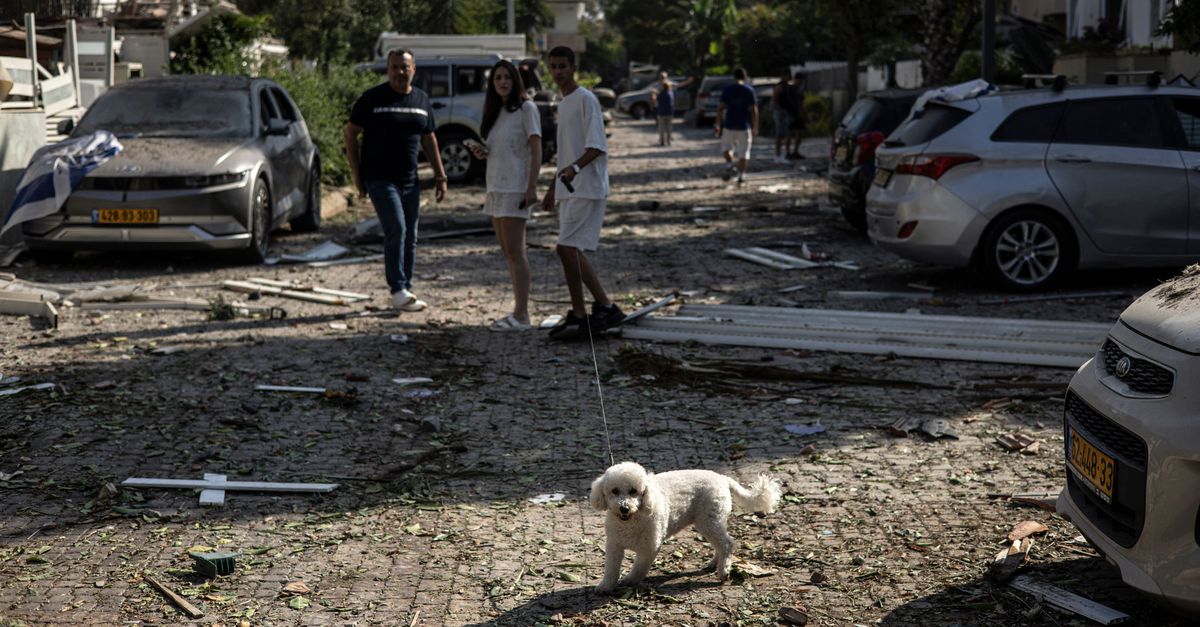
The immediate impact of the Iranian rocket attacks was felt most acutely in cities like Rishon LeZion, a bustling urban center located approximately 20 kilometers southeast of Tel Aviv. Here, a direct hit on a residential building proved fatal, claiming the lives of a man in his forties and a woman in her sixties. The scene was one of chaos and destruction, with emergency services rushing to rescue residents trapped amidst the rubble and provide aid to the wounded.
Beyond Rishon LeZion, the scale of the assault was evident across the region. Multiple rockets struck within Tel Aviv itself, a major metropolitan hub, with one notable incident involving a 32-story high-rise apartment building. While specific details on casualties from this particular strike were not immediately available, the psychological impact on residents of such a massive structure being targeted is immeasurable. In Ramat Gan, another city situated east of Tel Aviv, several buildings also sustained severe damage, painting a grim picture of widespread destruction impacting civilian infrastructure.
The sheer volume of rockets – an estimated 150 – underscores the severity of the Iranian response. While Israel's advanced air defense systems, such as the Iron Dome, intercepted many projectiles, some inevitably bypassed these defenses, leading to tragic outcomes. The relentless nature of these Iranian rocket attacks, which killed three and injured dozens, has underscored the vulnerability of civilian life in conflict zones.
Broader Context: A Cycle of Retaliation
These latest Iranian rocket attacks did not occur in a vacuum; they were explicitly framed as a direct retaliation for earlier Israeli military actions against targets within Iran. This reciprocal cycle of violence has been a defining characteristic of the escalating tensions between the two regional adversaries. While the focus in Israel has been on the immediate casualties and destruction, it is crucial to acknowledge the broader context of the conflict.
According to Iran's UN Ambassador, the preceding Israeli strikes on Iran had already resulted in a significant human cost, with at least 78 people killed and 320 injured. These figures, while difficult to independently verify, highlight the devastating and symmetrical nature of this dangerous escalation. Both nations are experiencing severe losses, with civilians often bearing the brunt of the violence.
The decision by Iran to launch such a large-scale attack, specifically targeting urban centers, signals a concerning shift in the conflict's dynamics. It suggests a willingness to move beyond proxy warfare and engage in direct confrontation, bringing the conflict into an even more perilous phase. The targeting of residential areas, irrespective of the stated military objectives, inevitably leads to a humanitarian crisis and deepens the cycle of animosity. The world watches with bated breath as Tel Aviv and other cities are hit, as Iran's retaliation escalates.
The human cost extends far beyond immediate casualties. Communities grapple with displacement, the psychological trauma of living under constant threat, and the long, arduous process of rebuilding. The destruction of homes and businesses undermines economic stability and societal cohesion, creating a ripple effect that can last for years.
Navigating Crisis: Safety Tips for Residents
In times of heightened conflict and unpredictable rocket attacks, ensuring the safety and well-being of residents is paramount. While authorities work to intercept threats and provide assistance, individuals can take proactive steps to protect themselves and their families. When facing the threat of attacks where *iraanse raketaanvallen doden* (Iranian rocket attacks kill), preparedness can save lives.
- Stay Informed Through Official Channels: Always rely on official government alerts, emergency broadcasts, and trusted news sources for information. Misinformation can be dangerous during a crisis. Familiarize yourself with local siren systems and what they signify.
- Know Your Nearest Shelter: Identify the safest room in your home (usually an internal room with no external walls or windows) or the location of the nearest public bomb shelter. Practice getting there quickly, especially with children.
- Prepare an Emergency Kit: Assemble a kit containing essential items: water, non-perishable food, a first-aid kit, flashlights, extra batteries, a battery-powered radio, important documents, and any necessary medications. Keep it readily accessible.
- Develop a Family Emergency Plan: Discuss with your family what to do if an attack occurs. Establish meeting points, communication methods if separated, and responsibilities for each family member.
- Seek Psychological Support: Experiencing rocket attacks can be deeply traumatic. Do not hesitate to seek support from mental health professionals, community services, or support groups if you or your family are struggling with anxiety, fear, or stress.
International Implications and the Path Forward
The latest Iranian rocket attacks against Israeli cities have sent shockwaves across the international community. Leaders and diplomatic bodies worldwide are expressing grave concerns about the escalating violence, fearing a wider regional conflict that could have catastrophic global consequences. The targeting of civilian areas is particularly condemned, as it violates international humanitarian law and exacerbates human suffering.
Calls for de-escalation, restraint, and a return to diplomatic solutions are growing louder. The role of international mediators becomes increasingly critical in such volatile situations, aiming to open channels of communication between the warring parties and prevent further bloodshed. However, the deeply entrenched grievances and complex geopolitical dynamics make a swift resolution challenging.
The long-term implications of this escalation are profound. It risks undermining any existing efforts towards regional stability, further entrenching animosity, and potentially drawing in other regional and international actors. The path forward requires a concerted effort from all parties to prioritize civilian lives, adhere to international law, and genuinely commit to dialogue over destruction.
Conclusion
The recent Iranian rocket attacks on Israeli cities, resulting in tragic deaths and numerous injuries, serve as a stark reminder of the devastating human cost of geopolitical tensions. The targeting of residential areas brought the harsh realities of conflict directly into homes, leaving behind a trail of destruction, grief, and fear. As the cycle of retaliation continues, the urgent need for de-escalation and diplomatic engagement becomes ever more critical. The international community, alongside regional powers, must work tirelessly to foster an environment where dialogue prevails over violence, ensuring the safety and security of all civilians caught in the crossfire.